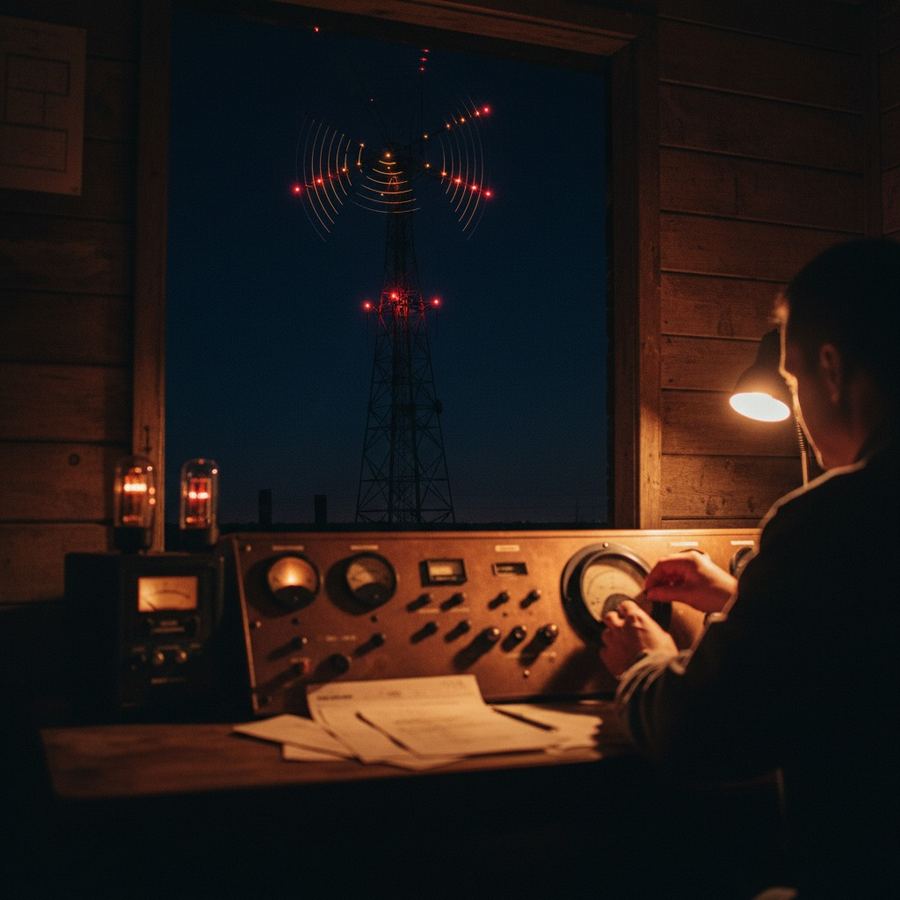
KDKA in Pittsburgh signed on in November 1920 with election returns, and for the next eighty years the dial was where most Americans first heard the news, the top forty, the ballgame, and the weather. That history did not end when streaming arrived. It just stopped being the only story. The Community Radio Reader is an editorial publication about what happened to that dial, what still lives on it, and what people do with the hours they spend listening.
We cover local radio as a medium and a habit. That means format history, the slow grind of consolidation after the 1996 Telecommunications Act, the LPFM service the FCC opened in 2000, and the volunteer operators who still run 100-watt stations out of community centers. It also means the practical side: how to find a worthwhile station in a city you are passing through, how shortwave listening actually works, and where podcasts and terrestrial radio genuinely overlap instead of just competing in headlines.
The publication is independent. It is not a station, it does not hold a license, it does not sell airtime, and it is not affiliated with any operator, trade group, or network. What follows is simply a reader: six standing sections and a working archive of features on the culture, history, and practice of local broadcasting.
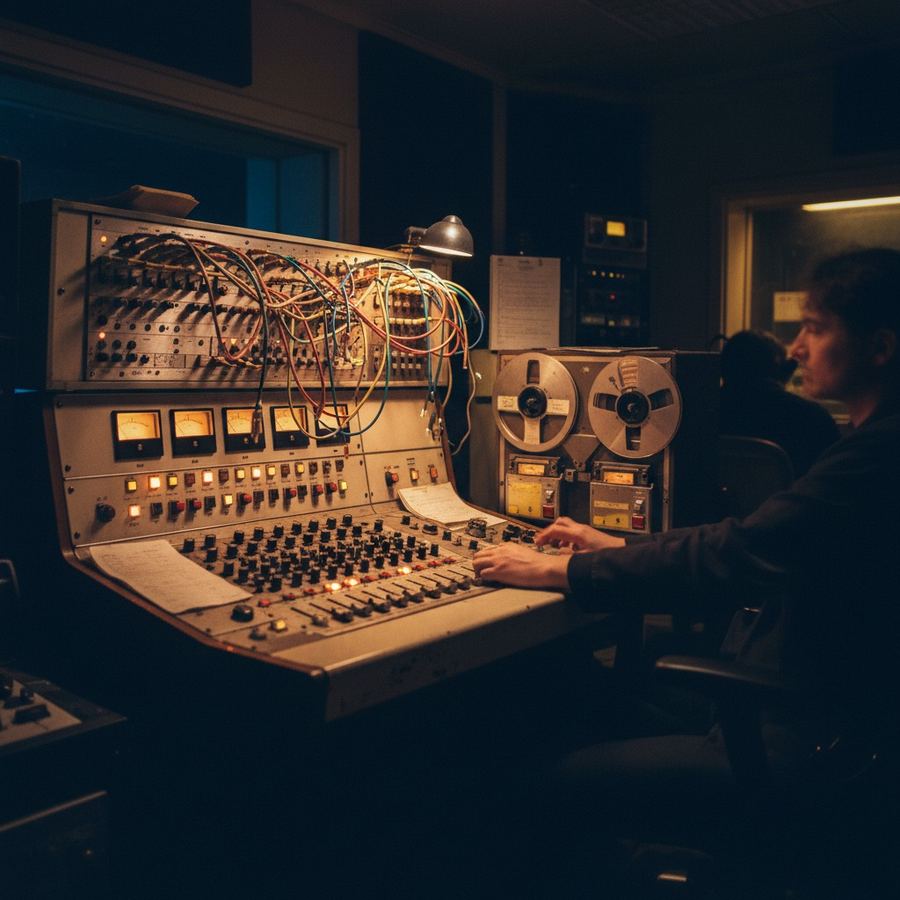
Sections
RADIO CULTURE
Radio Culture
Format radio, local identity, the AM to FM cultural shift, and what syndication did to the voice on the other end of the speaker.
COMMUNITY
Community Broadcasting
Low-power FM, volunteer DJs, public access distinctions, and the practical steps behind starting a community station.
STATION STORIES
Station Stories
Histories of small-market AM outlets, format flips, silent frequencies, and how talk radio became its own country.
LISTENING
Listening Guides
How to find good stations, shortwave basics for beginners, and the difference between ham bands and broadcast bands.
STREAMING
Audio & Streaming
Internet radio versus the tower on the hill, and where podcasts and terrestrial programming actually share DNA.
RESOURCES
Resources
Reference links and reading for listeners, community broadcasters, and people tracking policy and history.
Featured Articles
RADIO CULTURE
Why Local Radio Still Matters
Weather cut-ins, school closings, lost dogs, and a human voice during the worst hour of a storm. The case for the medium that refuses to quit.
COMMUNITY
How Low-Power FM Changed Community Radio
The FCC created the LPFM service in 2000 and capped it at 100 watts. Two decades later, thousands of small noncommercial stations are on the air.
STATION STORIES
The Disappearing Small-Town AM Station
Local AMs once ran high school football, farm reports, and the obituary hour. Many are now silent carriers or all-syndication.
LISTENING
Shortwave Listening Basics for Beginners
What SWL actually sounds like in 2026, which bands are still worth scanning, and the minimum gear you need to start.
STREAMING
Internet Radio vs Traditional Broadcasting
Streams are cheap, global, and fragile. Transmitters are expensive, local, and stubbornly durable. Both have a place.
RADIO CULTURE
The Rise of Format Radio
Top 40, AOR, urban contemporary, AC, country. How programmers standardized the dial and what got lost in the process.
How to read this site
Every article on the site belongs to one of the six sections above, and the hub pages are the best place to start if you want an overview of a subject. Radio Culture and Station Stories lean historical. Community Broadcasting and Audio and Streaming lean practical. Listening Guides is aimed at readers who already spend time with the medium and want to spend it more attentively. Resources is a short reference shelf of the authoritative sources the publication draws on, kept deliberately short so it stays useful.
New readers with no particular agenda usually get the most out of reading the local radio essay first, then the LPFM piece, then whichever of the remaining articles catches the eye. Readers with a specific question, especially about licensing, formats, or the mechanics of starting a station, should jump straight to the relevant hub.